
BORROWED NOISE
DEFINITION OF KEY WORDS
- Kájọlà: A Yorùbá philosophy that calls for collective well-being and progress. Literally, it means “succeeding together.”
- Ubuntu: A South African philosophy centred on African humanism and the interconnectedness of humanity.
- Ọmọlúàbí: The ideal Yorùbá person of good character; a well-bred, responsible, and morally upright individual (literally, “the perfect child”).
- Sányán: A fine, hand-woven cloth in Yorùbá culture, traditionally worn by people of high social status. It symbolises affluence, prestige, and the good life.
- Àyọ̀ngẹ̀: It literally refers to ‘a young girl’ or ‘little bride.’ The term was used in the Yorùbá colonial era to describe a beautiful damsel. The word does not originally exist in the Yorùbá lexicon; it emerged from Yorùbá people’s attempt to imitate the English phrase “a young girl,” which was later mispronounced as àyọ̀ngẹ̀.
- Egúngún: These are ancestral masquerades. They are regarded as visitors from heaven who shuttle between the spirit world and the earth. In Yorùbá cosmology, they serve as agents of blessing and custodians of moral and spiritual order.
- Ọ̀rúnmìlà: The Yorùbá deity of wisdom, knowledge, and divination. He is believed to have introduced the Ifá corpus, the ancient Yorùbá system of knowledge and prediction, which some modern commentators compare to the conceptual foundation of Artificial Intelligence (AI) and search engines.
- irúnmọlẹ̀; In Yorùbá language and spiritual worship, it means the gods, ancestors, forebears, the controllers of the spirit world - a verisimilitude of the biblical 24 elders.
- Ọ̀sìngín: This refers to the Yorùbá traditional practice in which a husband playfully carries his new bride on his back, especially during the early, exciting days of marriage. It symbolises affection, pampering, and the sweetness of newlywed life.
- Àjẹ́kùnrin: Literally means “male witch” (Àjẹ́ okùnrin). In traditional Yorùbá belief, the spiritual craft of Àjẹ́ (witchcraft) is regarded as predominantly female. However, Àjẹ́kùnrin refers to a man who is either an adopted spiritual son of both heavenly (àjẹ́ ọ̀run) and earthly witches (àjẹ́ ayé) or an individual who becomes exceptionally powerful, enigmatic, and unstoppable through divine grace.
In the dawn of our ancestral progenitors, they chorused “Kájọlà,” “Ubuntu,” “Ọmọlúàbí”— like incense that sparked into a living flame, these songs harmoniously lit their footpaths.
On my father’s shoulders I laughed like a lark; on my mother’s back I sang like the river pelican. I spoke in tongues known to the gods and men, clad in embroidered sányán that shames nudity.
I veiled my betrothed àyọ̀ngẹ̀ in sacred honour, encamped by egúngún with ancestral bliss, while Ọ̀rúnmìlà opened the palms of fate and poured unending peace across my days.
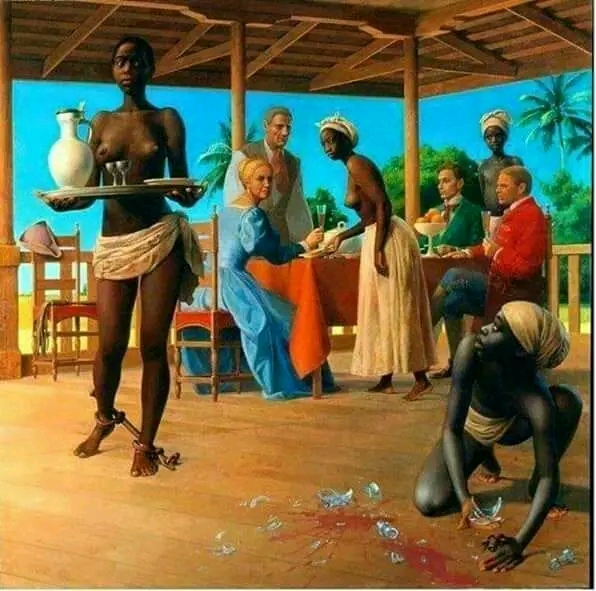
Then a twist of iron fate eclipsed the sun, as a new song—selfish, sleek, and loud—rent the air, cushioned by caution, fear, and painted smiles. Its noise of silence echoed through the town.
My father’s shoulder turned to an altar of shame, and my mother’s back, a shield from light. I now speak in a tongue alien to irúnmọlẹ̀ and men and gladly strip to scorn the old sányán.
You mock my ọ̀sìngín rites yet ration out the purdah; you praise Halloween to the high heavens and let your ephod wrestle with Ọ̀rúnmìlà— and things fall apart; a turbulent world is born.
Indeed, we are fractured but not broken: the old lyrics in us don’t die; they only sleep. Beneath the borrowed noise and neon glare, the ancestral drum still beats within our veins—
like wildfire saying, “Make straight the old path”; “Let Kájọlà become our battle cry once more”; “let Ọmọlúàbí rebuild what pride has torn”; and, a wiser, rooted dawn shall yet be born.
Tosin writes under the name Ajekunrin of Africa — poems, plays, and essays about home, distance, and what gets left behind.
More from Tosin Abegunde →Comments
No comments yet — be the first.