
MERCHANT OF ÌDÈRÈ
VOCABULARY Ẹlẹ́kọ: One who sells pap (ẹkọ). Ìdèrè: A town in Yorùbá land. Jèrè: To profit or make profit (verb). O: Yorùbá pronoun meaning “you” (singular). Ró: To tie/wear (especially clothes) around the body. Aṣọ: Cloth, fabric, linen, garment, etc. Dúdú: Black (colour). Pupa: Red (colour). Ìlúmoyè: Natives, citizens, or compatriots. Ifá: The Yorùbá oracle and deity of wisdom, knowledge, and divination — often compared to the conceptual foundation of Artificial Intelligence and search engines. Ẹbọ: Sacrifice or atonement offered to appease the gods or facilitate solutions in Yorùbá spiritual belief. Nicodemusly: A neologism meaning “like Nicodemus” — coined from the biblical figure in John Chapter 3 who visited Jesus secretly by night. Àjẹ́kùnrin: Literally “male Àjẹ́.” In traditional Yorùbá belief, Àjẹ́ (witchcraft/spiritual power) is regarded as predominantly female. Àjẹ́kùnrin refers to a man who is either an adopted spiritual son of heavenly and earthly Àjẹ́ or one who becomes exceptionally powerful, enigmatic, and unstoppable through divine grace. Griot: A West African storyteller, poet, and musician who preserves oral traditions. SUMMARY OF THE POEM Tosin Abegunde's Merchant of Ìdèrè is a satirical Yorùbá-style poem and parody which narrates the story of a poor pap seller (Ẹlẹ́kọ Ìdèrè) who, after years of hardship, performs a major sacrifice prescribed by Ifá. Three years later, she rises to immense wealth but denies making any profit when her helper returns to collect his due, despite her lavish lifestyle. The poem repeatedly uses a catchy chorus to mock her hypocrisy: “Ẹlẹ́kọ Ìdèrè, Ṣé bó lọ jèrè?” (Pap seller of Ìdèrè, you claim you made no profit?). It highlights the sharp contrast between her past poverty and present luxury — multi-coloured expensive clothes, skyscrapers, and fleets of cars — while she still claims “it’s not easy.” The work is a strong social commentary on ingratitude, greed, and denial of help received. It urges restitution, honesty, and humility, warning that ingratitude can reverse one’s fortune. Blending Yorùbá spiritual elements with biblical references, the poem delivers its moral lesson in the tradition of a modern African Griot.
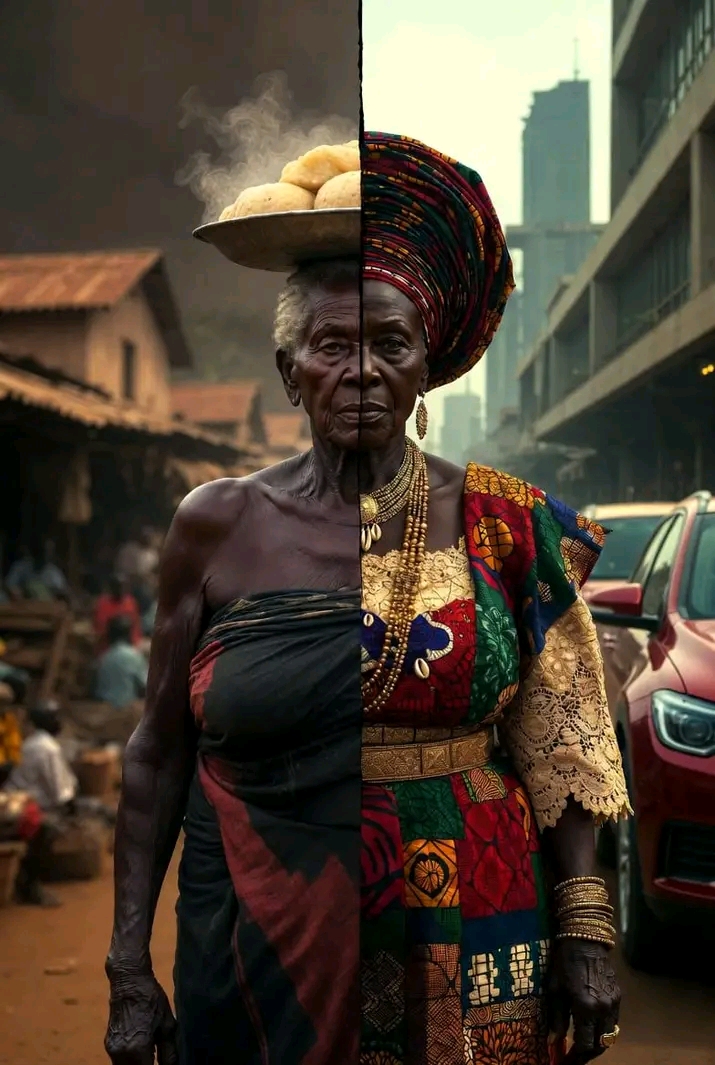
Chorus: Ẹlẹ́kọ Ìdèrè, Ṣé bó lọ jèrè? O ró aṣọ dúdú, O ró aṣọ pupa, Ẹlẹ́kọ Ìdèrè, Ṣé bó lọ jèrè?
Transliteration: Pap seller of Ìdèrè, You claim you made no profit? You wear black clothes, You wear red clothes, Pap seller of Ìdèrè, You claim you made no profit?
Natives of Ìlúmoyè, come and hear me sing of many souls like the Ẹlẹ́kọ Ìdèrè who endured lean sales and grinding poverty, ever asking if she would ever rise from rags to riches. She begged me to help her consult Ifá. “A huge ẹbọ that frightens the vulture is the key,” said Ifá. She complied — but on credit. Thereafter, I sojourned for three long years.
Chorus: Ẹlẹ́kọ Ìdèrè, Ṣé bó lọ jèrè? O ró aṣọ dúdú, O ró aṣọ pupa, Ẹlẹ́kọ Ìdèrè, Ṣé bó lọ jèrè?
When I returned, Ẹlẹ́kọ Ìdèrè had grown rich, clad in beautiful multi-coloured linens. Yet when I asked for my due, she swore she had not profited despite the glaring proof of her fortune.
Chorus: Ẹlẹ́kọ Ìdèrè, Ṣé bó lọ jèrè? O ró aṣọ dúdú, O ró aṣọ pupa, Ẹlẹ́kọ Ìdèrè, Ṣé bó lọ jèrè?
Why lie when your life loudly testifies against you? Beggarly at home, yet owning skyscrapers abroad? You cruise in fleets of luxury cars, still crying “it’s not easy,” blame your mentor for the greed that is your own, and sow calumny among your own people who, in their ignorance, still pray for your success. Must ingratitude invite reversal of fortune?
Chorus: Ẹlẹ́kọ Ìdèrè, Ṣé bó lọ jèrè? O ró aṣọ dúdú, O ró aṣọ pupa, Ẹlẹ́kọ Ìdèrè, Ṣé bó lọ jèrè?
You can still Nicodemusly retrace your steps; let your past restore your future and set you free; give to Caesar his rightful portion without delay; and rescue the hopes you have drowned in pools of regret, lest this song haunt many more.
Tosin writes under the name Ajekunrin of Africa — poems, plays, and essays about home, distance, and what gets left behind.
More from Tosin Abegunde →Comments
No comments yet — be the first.