
OGUN ÒKÚTA (THE STONE WAR)
OGUN ÒKÚTA (The Stone War) is a three-act Yoruba historical drama set in Àkúrẹ́ in July 1931. It dramatizes a colonial tax crisis and the ensuing popular resistance known as the “Stone War.” PLOT SUMMARY Colonial District Officer Harris demands that the head tax be doubled from three to six shillings under the Native Authority Revenue Ordinance. Ọba Afúnbíowó Adéṣidà (the Déjì), torn between colonial pressure and his people’s hardship (poor harvests, falling cocoa prices), urges compliance while promising to petition higher authorities. Court clerk and resistance leader Akọ́mọlédè refuses the higher tax and publicly challenges both the colonial administration and the Ọba’s stance. Market women, led by Ìyá Àgbà, and other protesters join him, declaring that “a woman’s stone is not soft.” When authorities move to arrest Akọ́mọlédè and other leaders, the crowd erupts. Stones are thrown (symbolically and literally), the court is disrupted, and the Ọba himself is struck. Colonial forces respond with arrests, raids, and a siege. In the aftermath, the shaken but resolute Ọba absorbs the people’s anger, secures the release of the arrested leaders, and commits to lighter terms and transparent accounting. The people seek and receive forgiveness. The play ends in a tableau of reconciliation: the king, chiefs, women, and community stand together, affirming that a king and his people are one body, while the British remain at a respectful distance. CENTRAL THEMES AND SYMBOLISM i. Colonial economic burden versus traditional authority and popular resistance ii. The tension between order and justice iii. Reconciliation after conflict The stone (òkúta) functions as a living metaphor: the patient ancestor, the women’s grinding stone, and the weapon of truth when words fail. The final proverb underscores this: the war of stones is not as great as the war of words, but when words fail, stones will speak. The drama blends English dialogue with Yoruba proverbs, praise poetry, call-and-response choruses, and ritual elements to portray both the historical event and its lasting moral lesson about unity under pressure.
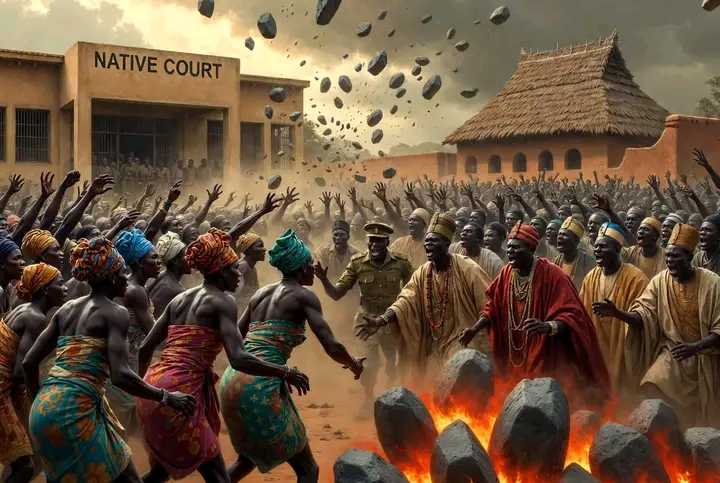
OGUN ÒKÚTA (THE STONE WAR) A Yoruba Historical Drama Set in Àkúrẹ́, July 1931
CHARACTERS ỌBA AFÚNBÍOWÓ ADÉṢIDÀ (Déjì): The conflicted king, torn between colonial demands and his people.
DISTRICT OFFICER HARRIS: Arrogant colonial administrator.
AKỌ́MỌLÉDÈ: Court clerk, fiery leader of resistance.
CHIEF Ọ̀DỌ̀PETU: Vocal high chief.
CHIEF DÙKUDÙ / CHIEF ÒSUẸ́ ẸRÚỌBA: Supporting chiefs.
ÌYÁ ÀGBÀ: Elder mother, voice of market women and mothers.
CHORUS: Ensemble of elders, women, youths – representing ancestors, people, and conscience. Includes Women Sub-Chorus.
PRAISE SINGER (Akẹ́wì), MESSENGER, SERGEANT, ensemble (people, police, protesters).
SETTING: Native Court Hall in Àkúrẹ́ with a raised dais for the Ọba, colonial tables with tax ledgers, benches. Palm fronds, beads, and ancestral symbols blend with British symbols. Marketplace sounds (drums, traders) filter in. Stone props for sound and symbolism.
THEMES: Colonial burden, traditional authority, popular resistance, and reconciliation. The stone (Òkúta) is a living metaphor – patient ancestor, grinding stone of women, weapon of truth when words fail.
ACT 1: THE BURDEN (Morning, Àkúrẹ́ Native Court Hall – July 1931) Lights rise slowly. The stage is alive with low drum rhythms. CHORUS enters in a semi-circle, humming softly. Market sounds swell then fade as court convenes.
CHORUS (soft, rhythmic call-and-response): We have paid! We have paid! Tax for the white man’s road— Yet our own paths remain dust!
CHORUS LEADER: Ẹni tó bá ń gbé ẹrù ẹ̀rọ̀, Kò mọ̀ pé ẹrù ẹ̀rọ̀ máa di ẹrù ẹ̀jẹ̀. (He who carries the load of oppression lightly does not know it will become a load of blood.)
[Enter ỌBA AFÚNBÍOWÓ in full regalia on the dais, flanked by chiefs. DISTRICT OFFICER HARRIS enters with police escort and clipboard.]
HARRIS: (pacing authoritatively) The Native Authority Revenue Ordinance demands compliance. The head tax has risen from three shillings to six. The Empire builds roads, courts, and order with it. You must pay to enjoy progress and benevolence of the Royal Majesty, the Queen!
ỌBA AFÚNBÍOWÓ: (rising, calm yet commanding) Mr. Harris, àbí kí ni wọ́n pẹ̀ ẹ́, my people are not stones to be ground endlessly. They are farmers and traders. The rain has been unkind this season; the soil yields little. Cocoa prices fall like withered leaves. Three shillings already draws blood. It is killing. Six will draw the marrow...
(pauses, looks at chiefs)
Yet I understand the white man’s road must be built. As Déjì, I stand between the ancestors and this new world. We shall surely collect this money if we must grow but with wisdom, not through the whip.
CHIEF Ọ̀DỌ̀PETU: (aside to chiefs) Hear him speak softly to the white man. He sides with them too quickly. Our children starve while princes study overseas. Ṣí ọ̀!
ỌBA AFÚNBÍOWÓ: (turning sharply to all) Let no one mistake mercy for weakness! I am Ọlọ́finládé Afúnbíowó, descendant of Aṣọdebóyèdé. My fathers kept Àkúrẹ́ whole through wars and plagues. I will advise you pay what the law demands today, and I shall plead our hardships to the Resident tomorrow. That is the path of a true king.
[Enter AKỌ́MỌLÉDÈ with protesters majority of whom held stones. Murmurs rise.]
AKỌ́MỌLÉDÈ: Kábíyèsí! We have paid our due before. Three shillings was already a strain. Six is damn oppression! As we can see the money does not return to us, it fills colonial pockets and, they say, your coffers too.
ỌBA AFÚNBÍOWÓ: (firm, paternal) Silence! This is a court. You, Akọ́mọlédè, who sit in this court and know the law, now teach rebellion? Do you think I am insensitive to the plight of my people? I am not deaf to the cries of the farmers. I feel the emptiness in their granaries. But stones and shouts will not feed your children. Pay the tax. The British will not tolerate defiance. We negotiate from order, not chaos. The lion does not roar at every fly. Mo tifọ̀ ọfọ̀ kì mà a fọ̀ lí tèmi o.
ÌYÁ ÀGBÀ: (stepping forward with women, voice strong) Kábíyèsí! We women till the soil, carry the harvest, nurse the babies. They tax our wombs and our markets! Òkúta obìnrin kò rọ̀; ó lágbára bí ọkọ. (A woman’s stone is not soft; it is as mighty as a man’s.)
CHORUS: (building) Okúta, okúta, ọ̀rọ̀ tí a sọ lẹ́nu òtítọ́! Stone that speaks when words fail the tongue! Àkún rẹ̀, beads have snapped — now stones shall fly!
[Sparse payers approach the table. Tension builds with low drums. Many stand back. Protesters exit murmuring. Lights fade on the strained face of the Ọba.]
ACT 2: THE SPARK (Later that day – Same Court Hall) [Lights up dimly. Tables with ledgers. CHORUS in semi-circle, soft drums. AKỌ́MỌLÉDÈ is brought forward.]
HARRIS: You, Akọ́mọlédè, clerk of this court, refuse to set an example? You are a big disappointment! Pay five shillings and sixpence; reduced as goodwill.
AKỌ́MỌLÉDÈ: (proudly) Àwé , kórà rẹ s'ígbó, wéè yoò ṣèru bàmi, Àkúrẹ́ n'ọn m'órí mi s'ọlẹ̀ sí. I shall pay only three shillings as before. This tax is obnoxious. Our king collaborates while we suffer!
MESSENGER: (rushing in, breathless) They are planning to take Akọ́mọlédè to Lagos! The leaders are seized! We must risen to defend our own brothers! This oppression must not see the light of the day!
[Uproar. Protesters surge in. Chaos builds.]
ỌBA AFÚNBÍOWÓ: (standing, booming) Enough! My children, hear your father! This court is the heart of Àkúrẹ́’s peace. Do not turn it into a battlefield. Akọ́mọlédè has been taken according to the law.
CHIEF DÙKUDÙ: Alas! The Déjì has betrayed us for colonial favour!
[people start picking up stones]
ỌBA AFÚNBÍOWÓ: (voice cracking but authoritative, arms raised as stones fly near) You want stone me, your Ọba? Àgbẹdọ̀! I have walked these lands longer than most of you were born. The tax is bitter medicine, but rebellion will bring soldiers, burnt farms, and widows’ tears! Stand down! I will carry your grievances to the highest authority.
ÌYÁ ÀGBÀ: (rallying women) Sisters! Like the beads that snapped to birth Àkúrẹ́, our patience has snapped. Throw the stones — not with men’s arms alone, but with the fire of Ìyá! The grinding stone of the hearth has become thunder!
AKỌ́MỌLÉDÈ: (to crowd, throwing first symbolic stone) Brothers and mothers! The Stone is our ancestor’s tongue: silent in peace, but when the farm is raided, it becomes hail from Sàngó’s hand! Throw not to kill the body, but to wake the conscience!
[Mob throws stones (mimed/props with clatter sounds). Tables overturn. Red lights. Drum crescendo. Yoruba war chants.]
CROWD / CHORUS: (roaring call-and-response) Áà nígbà! Ogun Okuta yá! Ogun Okuta bé sile! Throw the stones of our anger Without looking back!
DEJI: (hit, staggering with dramatic irony) Even my own children stone me? Ẹni tó bá ń sọ̀rọ̀ òde, kò mọ̀ pé ilé rẹ̀ ń jó. (He who speaks of the outside does not know his own house is burning.)
HARRIS: (panicking) This is rebellion! Sergeant — call reinforcements!
CHORUS: (encircling powerfully) Okuta òkúta, ìwà òdodo! Stone upon stone builds the wall of freedom! Like the river that carries the pebble to the sea, our rage flows to tomorrow.
CHORUS LEADER: Oppression is heavy, but unity is heavier. It sinks the oppressor’s boat! Slow-motion stone-throwing tableau. Leaders seized but defiant. Blackout on frenzy and war songs.
ACT 3: AFTERMATH AND RECONCILIATION (Days later – Palace Grounds / Court Arena) Stage shows disorder: overturned furniture, scattered items. Police patrol. ỌBA AFÚNBÍOWÓ sits on throne, visibly shaken but resolute. Chiefs and people gathered warily. PRAISE SINGER: (Akẹ́wì) Ọba Afúnbíowó, lion of Àkúrẹ́, stoned by his own cubs… Yet he stands tall. May I not offend you.
SERGEANT: The city is besieged until August. Leaders arrested, farms raided. Many flee to exile.
ỌBA AFÚNBÍOWÓ: (with gravitas) The stones still echo in my bones. My own people raised hands against their father. Yet a true king absorbs pain for the land. I do not regret standing for order. But I hear you. The tax was too heavy. The spending too opaque.
CHIEF ÒSUẸ́ ẸRÚỌBA: Kábíyèsí, the people regret the stones but not the grievance. Release the leaders. Heal the land.
ỌBA AFÚNBÍOWÓ: (rising, voice swelling) I have sent messengers. Akọ́mọlédè and the others will be released — I stake my throne on it. We shall propose lighter terms and open accounting. Let every kobo be seen by the people. “A kì í fi ọmọ ẹni sọ̀rọ̀ bí ẹni tí kò lóyún rí.” (One does not speak of another’s child as one who has never been pregnant.) I have carried this kingdom through many seasons. We shall bend where we must, but never break.
ÌYÁ ÀGBÀ: (leading women forward) Kábíyèsí, we threw stones in hunger. Forgive us, our father.
CROWD: (call-and-response, softening) Déjì! Kábíyèsí! Forgive us, our father! We threw stones in hunger-driven anger — forgive us!
ỌBA AFÚNBÍOWÓ: (arms open, centered) I forgive as the earth forgives the rain. Let this Ogun Òkúta be a scar that reminds us: A king and his people are one body. When the head bleeds, the limbs suffer. Go home. Tend your farms. Raise your children in peace. Àkúrẹ́ will endure — not through stones, but through unity under the crown.
CHORUS: (full, hopeful, with celebratory drums and soft singing) The Stone War ends not in blood, but in memory. From Ogun Okuta springs the seed of dignity. Àṣẹ!
CHORUS LEADER: (final proverb) “Ìjà òkúta kò tó ìjà ọ̀rọ̀, ṣùgbọ́n nígbà tí ọ̀rọ̀ bá kùn, okuta a sọ̀rọ̀.”
(The war of stones is not as great as the war of words, but when words fail, stones will speak.) All freeze in a tableau of unity — Ọba centered, people and chiefs around him, British officials at a respectful distance. Yoruba praise poetry swells. Spotlight on the Déjì. Lights fade slowly.
END OF PLAY
Tosin writes under the name Ajekunrin of Africa — poems, plays, and essays about home, distance, and what gets left behind.
More from Tosin Abegunde →Comments
No comments yet — be the first.